
News
Protecting Anonymity in Recovery While Carrying Literature
May
Protecting anonymity in recovery is a deeply personal and meaningful part of the journey for many people in fellowship programs. Whether you’re carrying your Big Book, Basic Text, or other recovery literature, maintaining privacy can help you feel safe, respected, and focused on your progress. In our experience, finding thoughtful ways to protect your materials also protects your peace of mind.
How can you maintain privacy while carrying recovery literature?
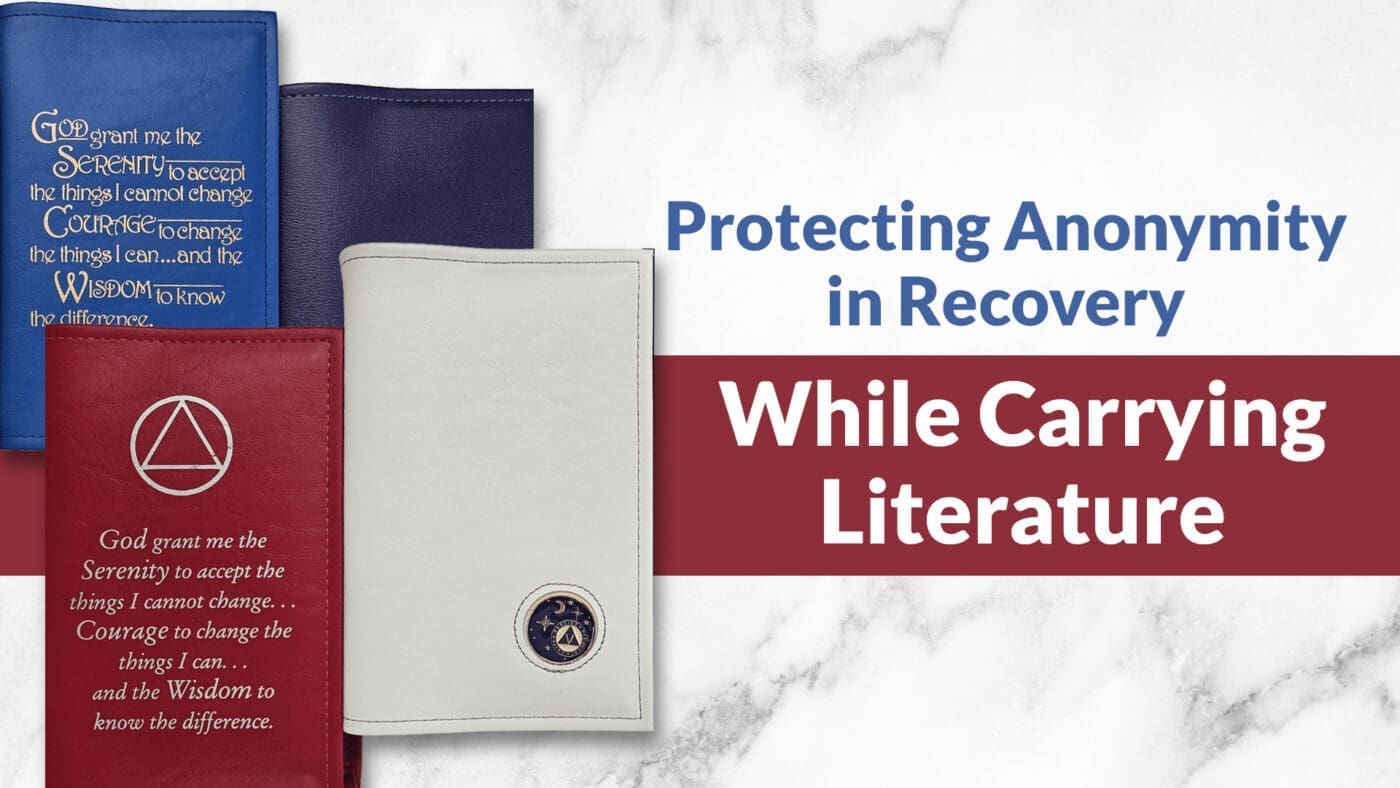
You can maintain privacy by using discreet recovery book covers—like those from Culver Enterprises, which come in a variety of colors and styles—by carrying materials in neutral bags, and by being mindful of where and how you access your literature. In our experience, these thoughtfully designed recovery book covers not only protect your book but also help it blend into everyday settings. These simple steps help protect your anonymity in recovery by allowing you to engage in your program confidently without drawing unnecessary attention.
Why Is Protecting Anonymity in Recovery Important?
In many 12-step fellowships, anonymity is more than a suggestion—it’s a guiding principle. It creates a safe space where individuals can share openly without fear of judgment or exposure. We have found that when people feel secure in their privacy, they are more likely to stay engaged and committed to their recovery journey.
Carrying recovery literature in public spaces can sometimes feel uncomfortable. Whether you’re at work, traveling, or sitting in a café, visible program materials may invite questions or attention you’re not ready for. Protecting anonymity in recovery helps you stay focused on what matters most—your growth and healing.
Common Situations Where Anonymity Matters
In our experience, there are several everyday situations where maintaining privacy becomes especially important:
- Commuting on public transportation with your recovery books
- Bringing literature to work or school
- Attending meetings in unfamiliar locations
- Traveling and staying in shared accommodations
- Reading in public places like parks or coffee shops
Each of these scenarios presents small but real challenges. Having a plan in place can make a big difference in how comfortable you feel.
How Do Recovery Book Covers Support Privacy?
One of the most effective tools for protecting anonymity in recovery is using high-quality recovery book covers. In our experience as a primary manufacturer of these products, we’ve seen how a simple cover can transform how someone carries their literature.
Recovery book covers provide a discreet outer layer that conceals the identity of the book inside. Instead of displaying recognizable titles or program-specific markings, the cover presents a neutral, everyday appearance. This allows you to carry your materials confidently in any setting.
Our team has found that many people also appreciate the added durability. Recovery literature is used daily, and protecting it from wear and tear is another way to honor the role it plays in your life.
Practical Tips for Protecting Anonymity in Recovery
Protecting anonymity in recovery doesn’t have to be complicated. Small, thoughtful habits can go a long way. Here are some practical strategies we recommend:
- Use neutral covers: Choose recovery book covers that don’t draw attention or signal their contents. For example, select a plain book cover without a design, or one that features only a medallion holder.
- Choose smaller book and cover options: Select pocket-sized book covers to carry materials in a purse or small bag.
- Be mindful of placement: Avoid leaving literature visible on desks, car seats, or shared spaces.
- Read intentionally: Select comfortable, low-traffic environments when possible.
- Travel smart: Keep your materials organized and protected when on the go.
In our experience, these habits quickly become second nature and provide a sense of calm and control.
Balancing Openness and Privacy
Recovery is a personal journey, and everyone approaches anonymity differently. Some people are open about their involvement in a program, while others prefer to keep it private. Both approaches are valid.
We have found that protecting anonymity in recovery isn’t about hiding—it’s about choosing when and how to share your story. Having that choice empowers you. It allows you to engage in your program on your own terms, without pressure or expectation.
The Emotional Side of Privacy
There’s also an emotional component to consider. Carrying recovery literature can feel deeply personal. These books often hold notes, reflections, and reminders of progress made over time.
In our experience, protecting those materials can feel like protecting a part of yourself. It’s not just about avoiding attention—it’s about respecting the journey you’re on. That sense of respect can reinforce commitment and pride in your progress.
Choosing the Right Recovery Book Covers
Not all recovery book covers are created equal. As one of the original manufacturers since 1982, we take pride in creating covers that reflect both function and care. Each one is individually sewn, offering a level of craftsmanship that mass-produced alternatives simply cannot match.
When selecting a cover, consider the following:
- Fit: Ensure it matches your specific book (Big Book, Basic Text, etc.)
- Material: Durable fabrics or leather for long-term use
- Design: Neutral, understated styles for privacy
- Functionality: Features like bookmarks or storage pockets
In our experience, investing in a well-made cover is about more than convenience—it’s about honoring the role your literature plays in your daily life.
Supporting Your Daily Recovery Routine
Protecting anonymity in recovery also supports consistency. When you feel comfortable carrying your materials anywhere, you’re more likely to use them regularly.
We have found that accessibility matters. Whether it’s reading a passage during a lunch break or reflecting before a meeting, having your literature close at hand can make a meaningful difference.
Removing barriers—like fear of exposure—helps create a smoother, more sustainable routine.
Frequently Asked Questions
Why is anonymity emphasized in recovery programs?
Anonymity helps create a safe, judgment-free environment where individuals can share openly. It protects personal identities and encourages honesty, both of which are essential for long-term recovery.
Are recovery book covers necessary?
While not required, recovery book covers are a simple and effective way to protect both your literature and your privacy. They help maintain discretion in public settings.
Can I still be open about my recovery if I use a cover?
Absolutely. Using a cover simply gives you control over when and where you share your journey. It supports flexibility rather than limiting openness.
Final Thoughts on Protecting Anonymity in Recovery
Protecting anonymity in recovery is about more than avoiding attention—it’s about creating a space where you feel safe, respected, and empowered. In our experience, small tools like recovery book covers can make a meaningful difference in how you carry your journey with you each day.
We believe that your recovery materials deserve the same level of care and respect that you give to your personal growth. Our team is here to support that, every step of the way, with thoughtfully crafted recovery book covers designed to protect what matters most.
If you’re looking for a meaningful way to support your journey—or to give a thoughtful gift to someone in fellowship—we’re honored to be part of that process. Visit Culver Enterprises at www.culverbookcovers.com to discover our full line of recovery book covers.
