
News
Why Anonymity in Recovery Still Matters: A Foundation of Safety and Humility
Mar
In our experience, the principle of anonymity in recovery is often misunderstood as a relic of the past or a simple matter of keeping secrets. However, as we have seen since we began manufacturing recovery book covers in 1982, this practice remains the spiritual foundation of the 12-step fellowship. It serves as a vital protective shield, allowing individuals to seek healing without fear of public judgment or internal ego.
Why is anonymity in recovery important for long-term success?
Anonymity in recovery provides a safe environment where individuals can share honestly without fear of social or professional consequences. By placing principles before personalities, it ensures equality among members and fosters humility. This collective protection allows the focus to remain on the message of recovery rather than the status of any individual member, preserving the integrity of the fellowship.
The Shield of Safety: Protecting the Individual
For many of those we serve, the initial steps into a meeting are filled with a mix of hope and significant apprehension. Anonymity in recovery acts as a safety net, ensuring that what is said in a meeting stays in the meeting. This safety is not just about privacy; it is about survival. In a world where professional reputations or legal standing can be impacted by the stigma of addiction, the promise of a private space is often what gives someone the courage to walk through the door for the first time.
Our team has found that when people feel their identity is protected, they are more likely to be rigorously honest about their challenges. This honesty is the engine of the 12-step process. By removing the threat of outside exposure, the fellowship creates a sanctuary where the “hard truths” of addiction can be faced with deep compassion rather than judgment.
Humility and the Level Playing Field
Beyond physical safety, anonymity in recovery serves a profound spiritual purpose: the cultivation of humility. Within the rooms of Alcoholics Anonymous or Narcotics Anonymous, it does not matter if a person is a CEO, a doctor, or currently unemployed. We are all equal in our need for a daily reprieve from our common problem.
This leveling effect prevents any single individual from becoming a star or a spokesperson for the movement. By focusing on the “we” instead of the “I,” the community avoids the pitfalls of ego that often lead back to active use. It reminds us that the power of the program lies in the collective experience of the fellowship, not in the charisma of any one member.
Protecting Your Tools of Transformation
Because the materials used in these programs—like the Big Book or the Basic Text—are so central to this private journey, many members choose to keep them protected and discreet. This is where our work at Culver Enterprises intersects with your daily walk. We understand that these books are more than just paper and ink; they are valuable reading materials that guide your life.
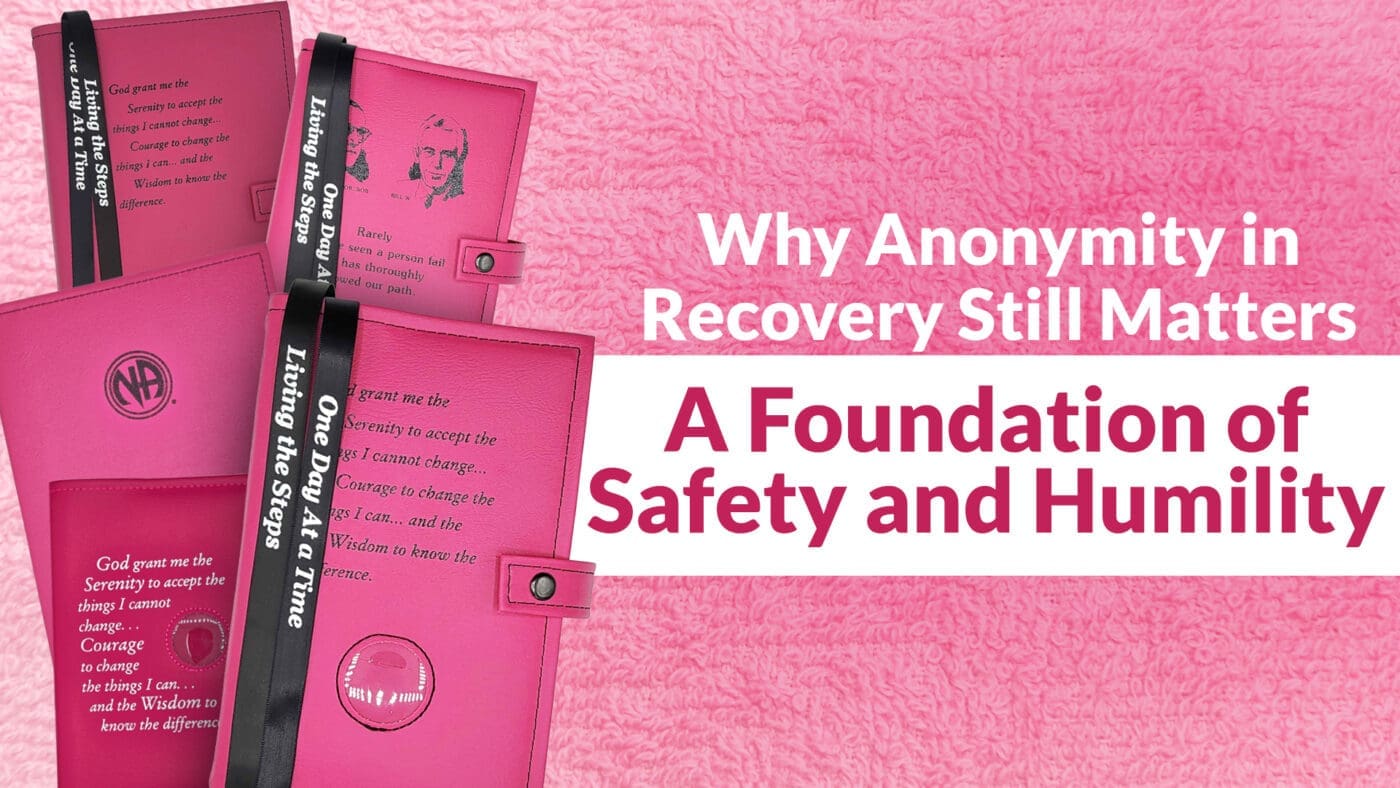
Using high-quality recovery book covers is a practical way to honor the principle of anonymity while ensuring your resources last for years. Whether you are carrying your book to a meeting, on a plane, or to work, a handmade cover allows you to keep your program private while keeping your book safe from wear and tear.
The Culver Difference: Handmade by Humans
When you choose our recovery book covers, you are buying directly from the source. Unlike mass-production factories or resellers who lack a personal connection to the community, we have been the actual manufacturer since 1982. Every cover is individually sewn by humans right here in the United States.
We take great pride in our workmanship because we know the importance of what these covers protect. Our customers often tell us how much they value the “personal touch” of a family-owned business that stands 100% behind its products. We aren’t just selling a product; we are supporting a lifestyle of recovery.
Practical Ways to Practice Anonymity
- Respect the Digital Boundary: Avoid posting photos from meetings or identifying other members on social media platforms.
- Focus on the Message: When sharing your experience with others, emphasize the principles of the program rather than your own personal “celebrity” or status.
- Keep it in the Room: Treat everything heard in a meeting as a sacred trust that does not leave that space.
- Use Discreet Accessories: Protect your privacy in public spaces by using professional-looking recovery book covers that shield the title of your literature.
A Principle Worth Preserving
Anonymity is the spiritual substance that makes the fellowship a safe harbor for everyone. It reminds us that we are part of something larger than ourselves. As you continue your journey, we encourage you to protect both your identity and your resources with the same care and respect.
Are you looking for a meaningful way to protect your Big Book or Basic Text? Visit our shop today to browse our collection of handmade, U.S.A.-crafted recovery book covers. As the original manufacturer, we offer the highest quality protection to support you every step of your recovery journey.
Frequently Asked Questions
What does “principles before personalities” mean?
This phrase emphasizes that the spiritual laws and steps of the program are more important than the individual people in it. It ensures that the message of recovery remains consistent, regardless of who is delivering it, and prevents personal conflicts from damaging the fellowship.
Is anonymity required by law in meetings?
While 12-step programs are not legal entities with enforcement power, anonymity is a core tradition that members agree to uphold. It is a social and spiritual contract intended to create a safe space for all participants.
